We are glad to share with you about the results of our work, company news, and give you timely developments and personnel appointment and removal conditions.
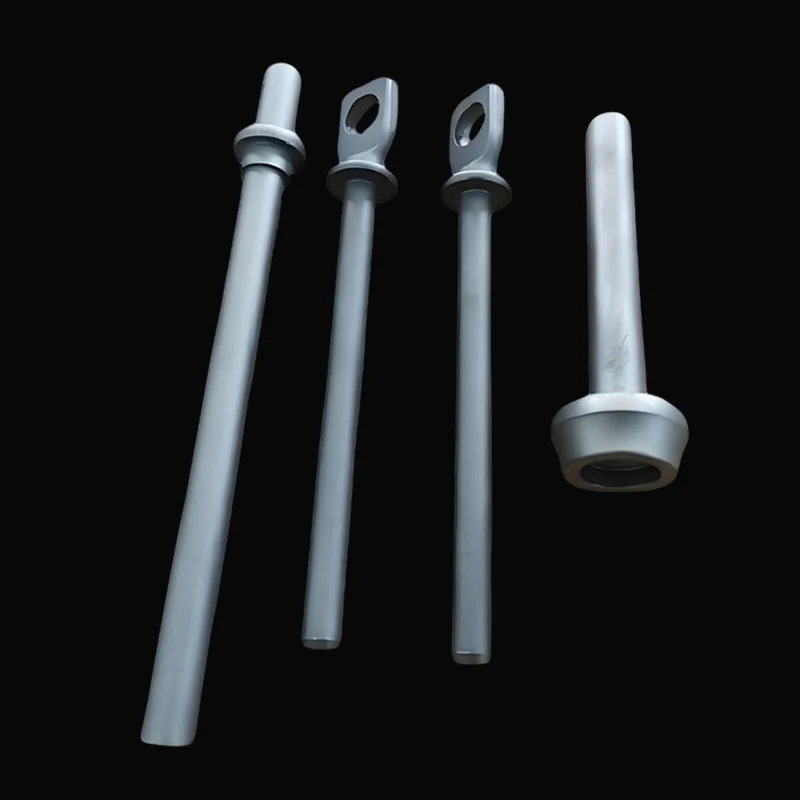
The fishing equipment industry is increasingly focusing on lightweight, durable, and corrosion-resistant components. This article explores how Die Castings for Rod Holder Hardware are supporting modern fishing gear development through improved structural design, material efficiency, and adaptability for marine and outdoor applications. As fishing activities expand worldwide, precision metal components continue to play an important role in enhancing equipment reliability and user experience.
For businesses seeking insight into the future of household hardware development, Die Castings for Household Hardware represent more than a processing method—they reflect the connection between innovative design and dependable product performance.
As the home furnishing market moves from rapid expansion to a renewal-driven phase, die cast components—the hidden backbone behind door locks, handles, hinges, and faucets—are undergoing a significant quality upgrade. More suppliers are recognizing that a product's competitiveness no longer ends at the factory gate but extends throughout its installation, use, and maintenance lifecycle.
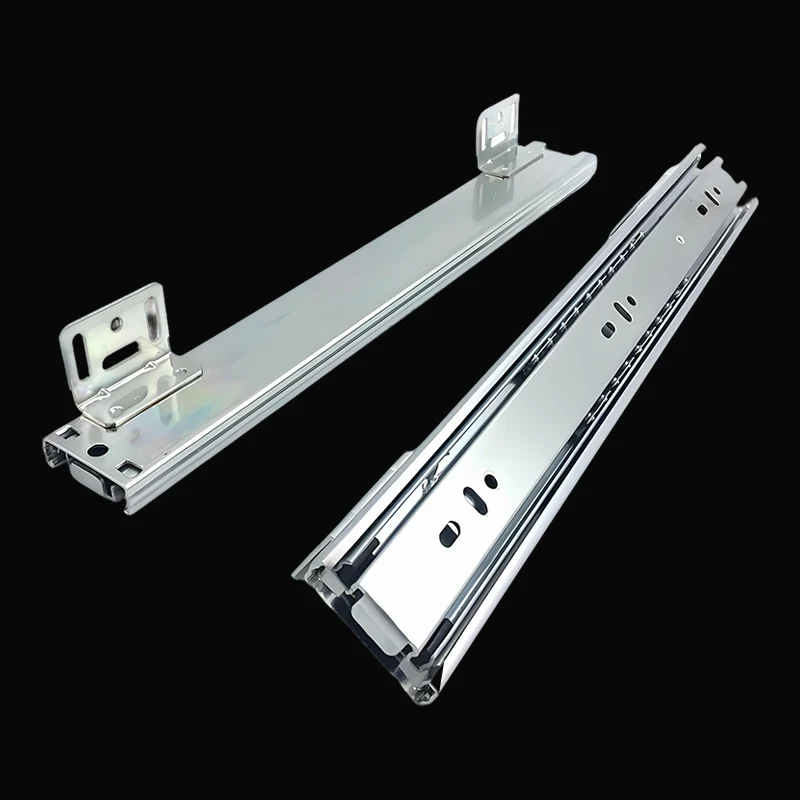
Die casting for household hardware has become a crucial manufacturing method in the fields of door and window hardware, furniture accessories, kitchen and bathroom hardware, and smart home accessories. Die casting not only enables the precise molding of complex structures but also improves production efficiency and product consistency, thus gaining widespread application in modern household hardware manufacturing.
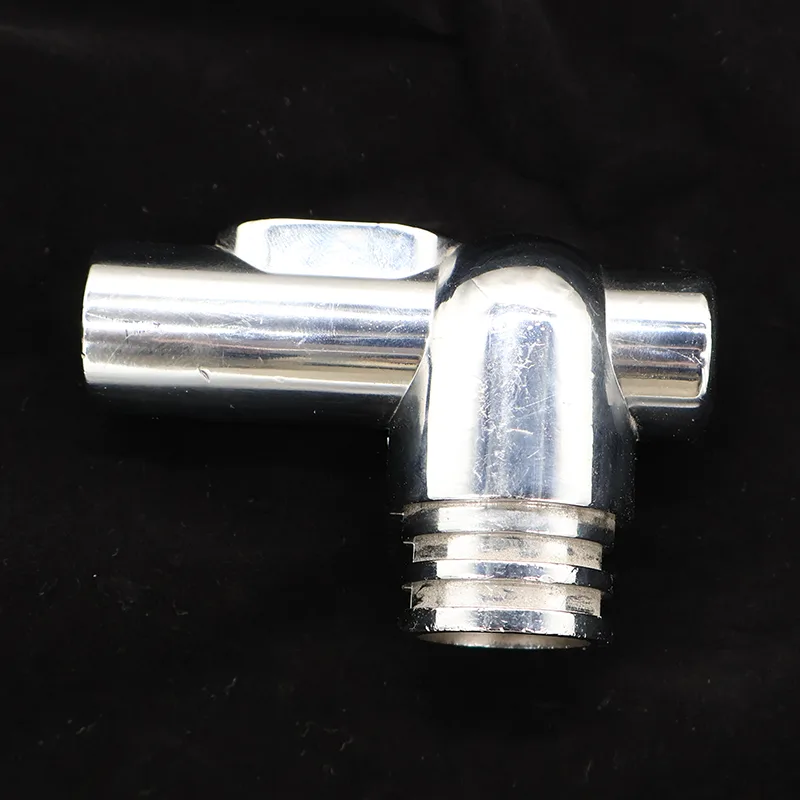
Die castings for faucet hardware have become one of the most reliable manufacturing solutions in the plumbing and sanitary ware industry. Whether used in kitchen faucets, bathroom mixers, shower fittings, or valve components, die casting provides excellent dimensional accuracy, corrosion resistance, and long-term durability. As consumer expectations rise for sleek design and precision performance, manufacturers increasingly rely on high-quality die-cast components to ensure stable water flow, leak-free operation, and attractive finishes.
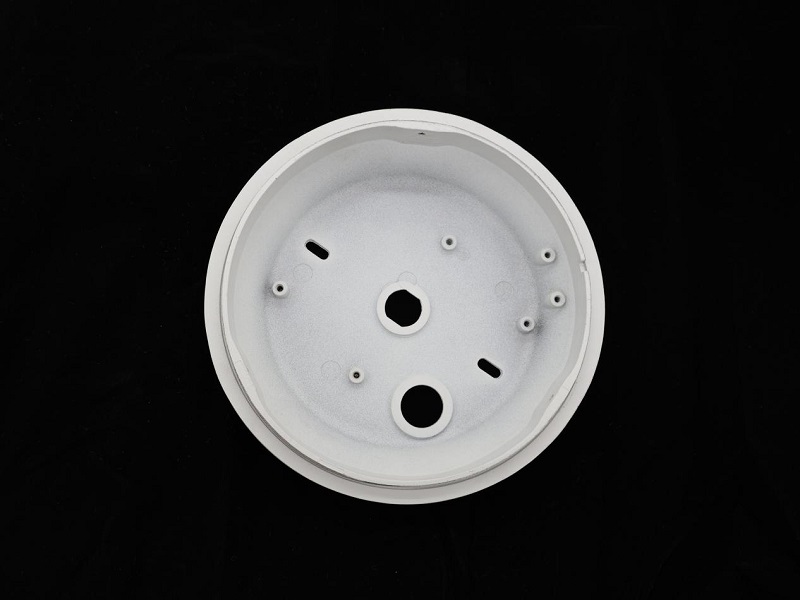
Die castings of lighting fixtures for outdoor use need to meet various protective grade requirements to adapt to the complex outdoor environment. First, they must be waterproof and dustproof.
We use cookies to offer you a better browsing experience, analyze site traffic and personalize content. By using this site, you agree to our use of cookies. Privacy Policy


 16 2026-09
  29 2026-07
  29 2026-05
  11 2026-03
  09 2025-12
  07 2025-11