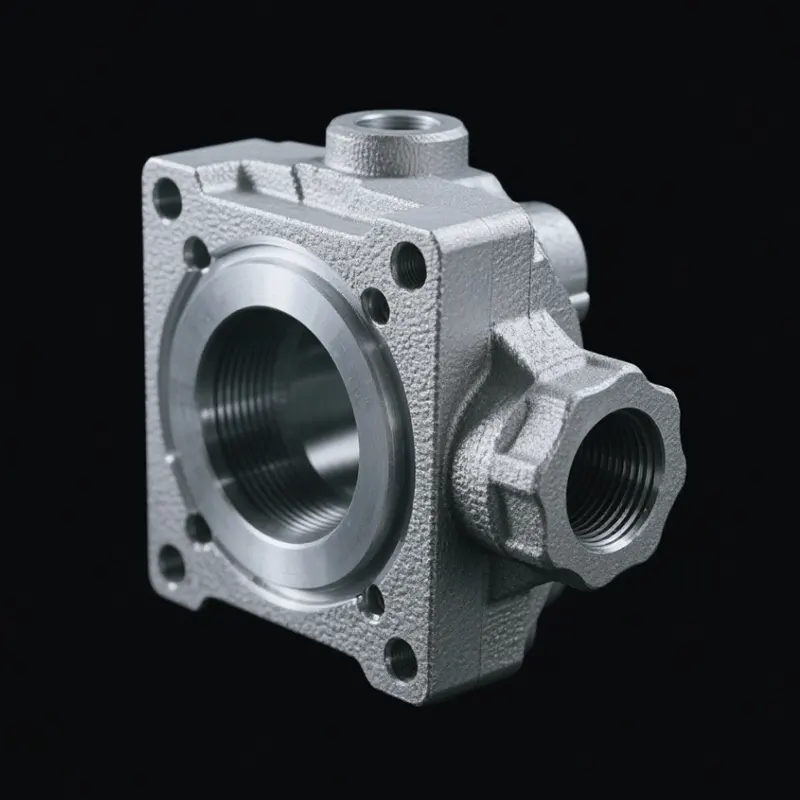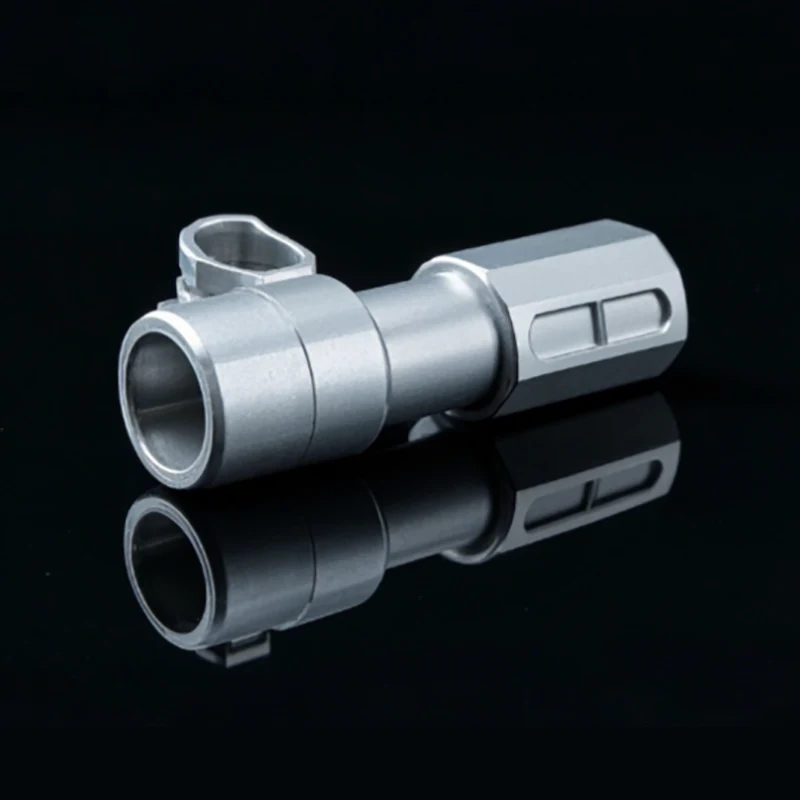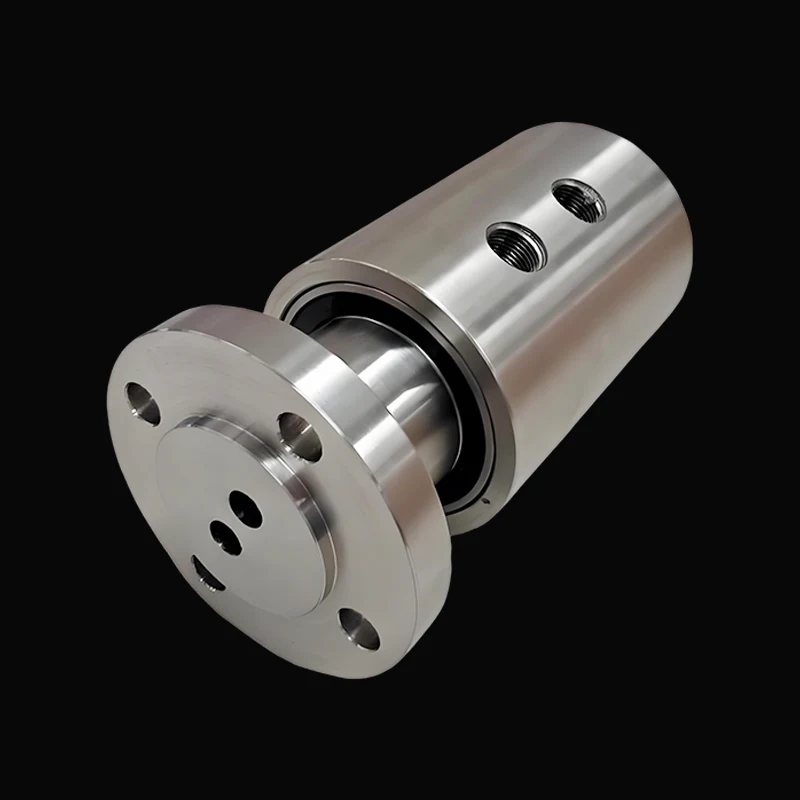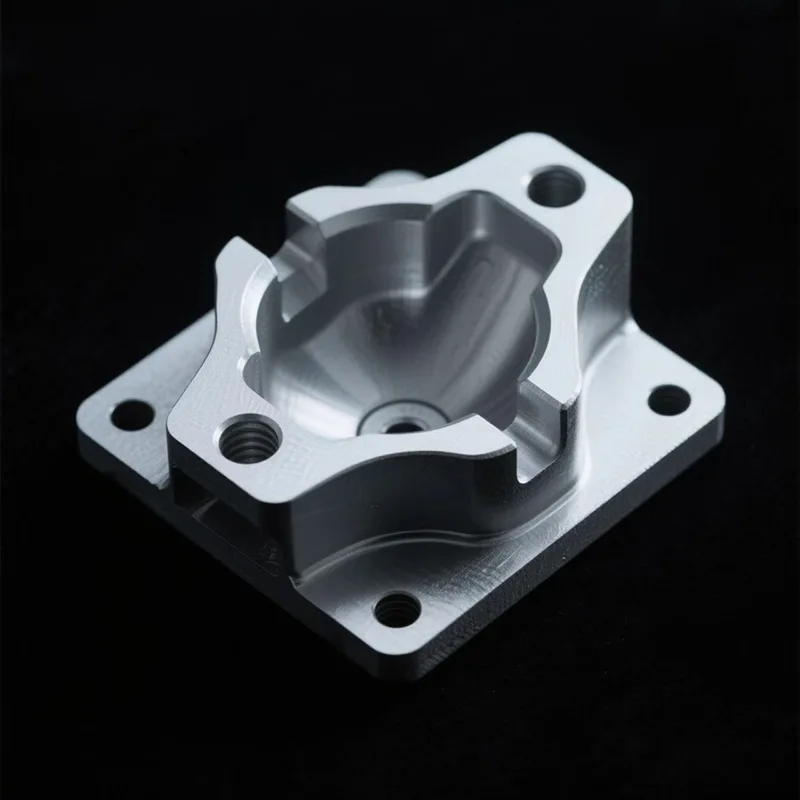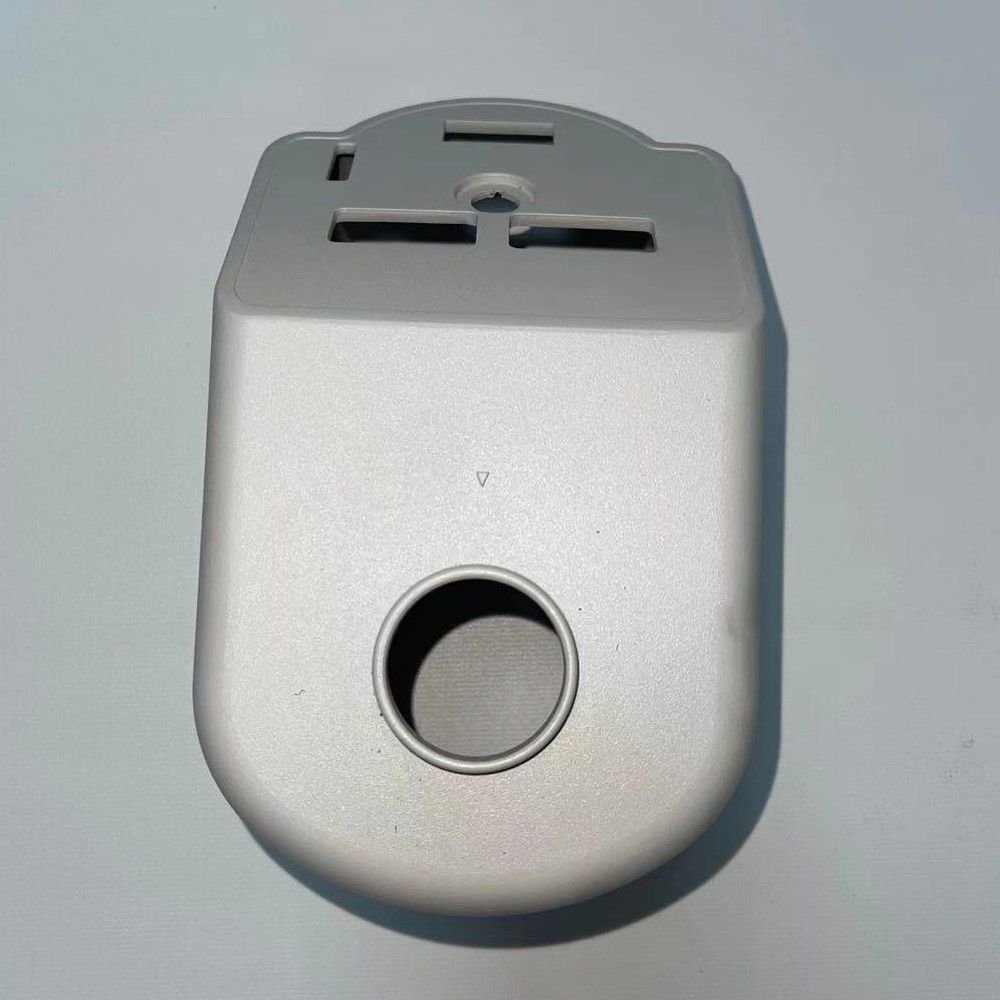

Die castings for faucet hardware have become one of the most reliable manufacturing solutions in the plumbing and sanitary ware industry. Whether used in kitchen faucets, bathroom mixers, shower fittings, or valve components, die casting provides excellent dimensional accuracy, corrosion resistance, and long-term durability. As consumer expectations rise for sleek design and precision performance, manufacturers increasingly rely on high-quality die-cast components to ensure stable water flow, leak-free operation, and attractive finishes.
This article explores how die castings improve faucet functionality, what technical parameters matter, how they compare to other manufacturing methods, and why professional buyers prefer die-cast components for large-scale faucet production.
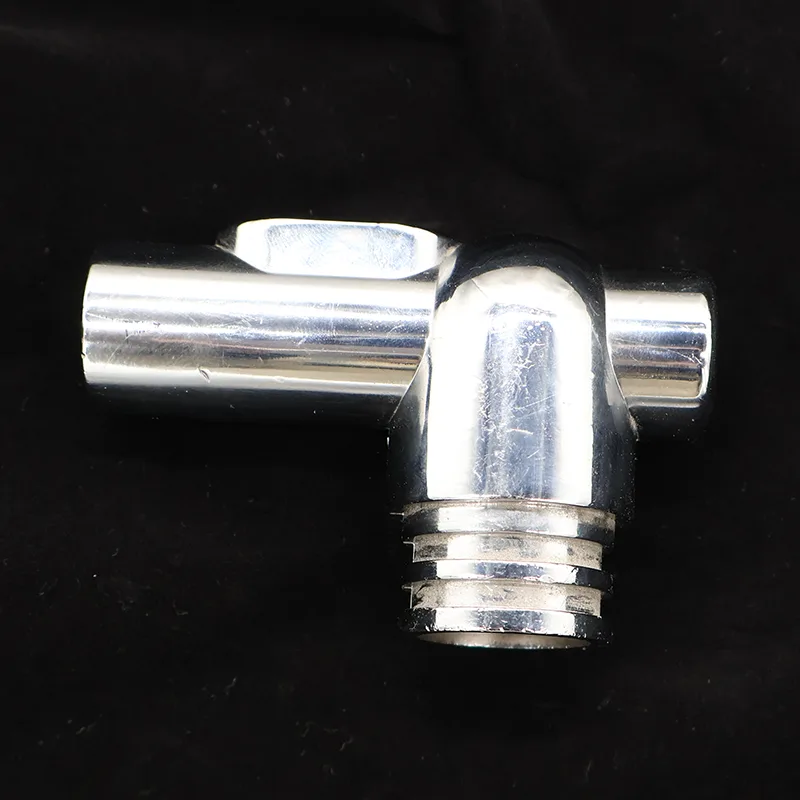
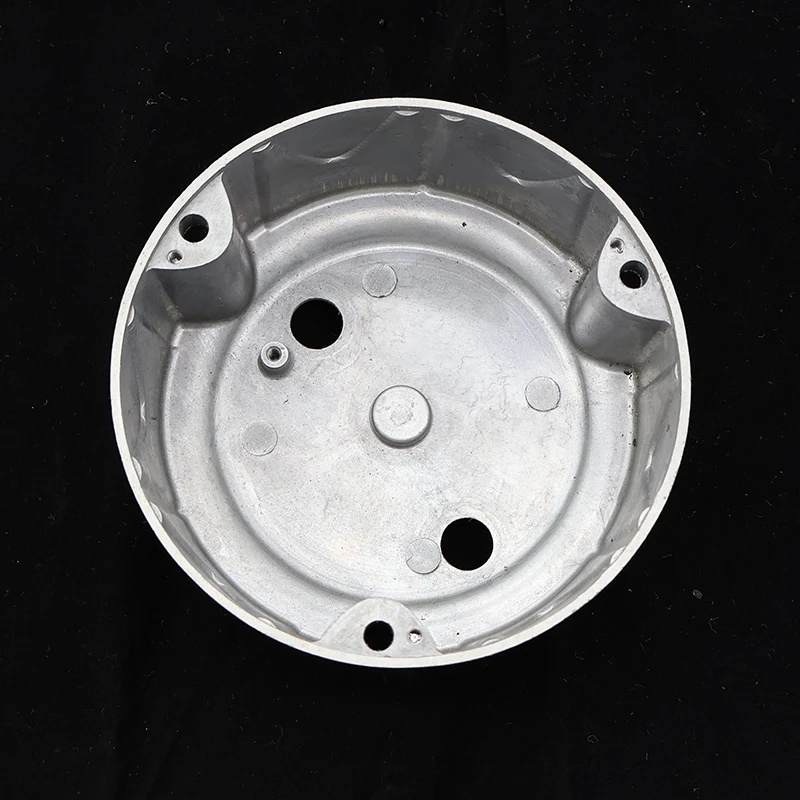
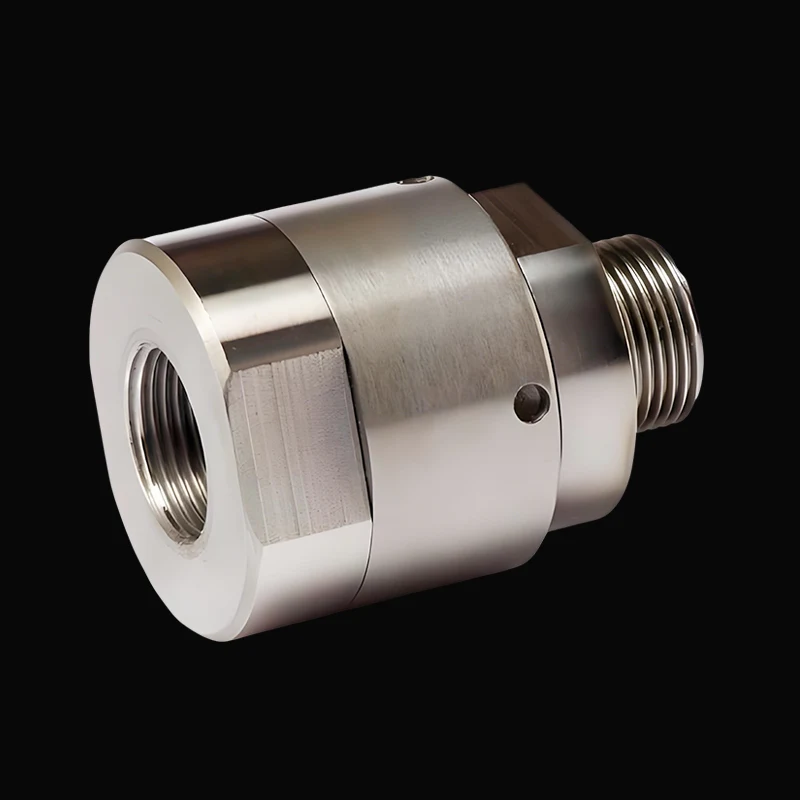
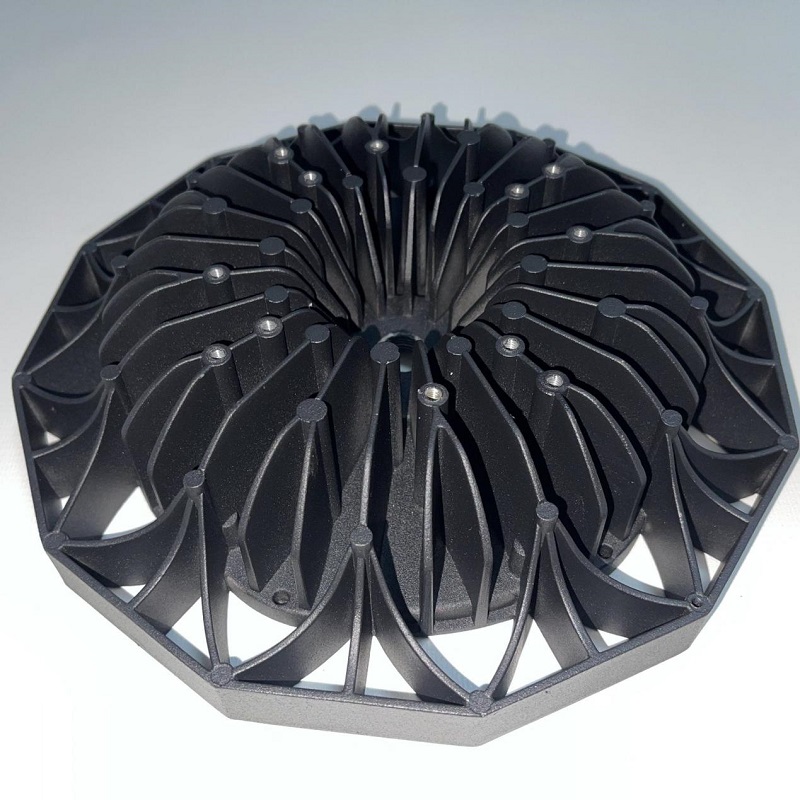
Die casting is a high-pressure metal forming process where molten metal is injected into a steel mold. This method produces dense, strong components with fine details and smooth surfaces—ideal characteristics for faucet parts that require tight sealing, precise threads, and premium appearance.
Key advantages for faucet components include:
High Dimensional Accuracy: Ensures perfect mating between internal valve parts, connectors, and decorative elements.
Smooth Surface Finishes: Excellent for plating, powder coating, or polishing.
High Strength & Wear Resistance: Supports repeated turning, twisting, and water pressure impact.
Excellent Production Efficiency: Suitable for high-volume manufacturing with consistent quality.
Complex Shapes & Fine Details: Ideal for cartridges, handles, bodies, and connectors.
These benefits allow die castings to outperform traditional manufacturing methods such as forging, stamping, or machining in both cost and precision.
Selecting the right material is critical for long-term faucet performance. The most commonly used die-casting materials include:
Ideal for decorative parts, handles, trims, and structural components.
High fluidity for complex designs.
Excellent for electroplating and polishing.
Lightweight and corrosion-resistant.
Suitable for larger components that require high mechanical strength.
Cost-effective for mass production.
Used when superior corrosion resistance is needed.
Excellent mechanical properties but higher cost.
Each alloy supports faucet hardware performance differently, depending on the product requirements and installation environment.
| Criteria | Die Casting | Stamping |
|---|---|---|
| Shape Complexity | High | Low |
| Strength | High | Medium |
| Surface Finish | Smooth | Requires polishing |
| Accuracy | Excellent | Moderate |
| Cost (High Volume) | Lower | Higher |
| Criteria | Die Casting | CNC Machining |
|---|---|---|
| Production Efficiency | Very High | Low |
| Design Flexibility | High | Medium |
| Cost | Low | High |
| Material Usage | Minimal waste | Large waste |
| Appearance | Smooth | Requires finishing |
Die castings offer a superior balance of precision, cost, and manufacturability—making them the preferred choice for faucet manufacturers worldwide.
To demonstrate product quality and technical depth, here is a professional parameter table based on common faucet die-casting standards from Yuyao Huantong Metal Products Co., Ltd.
| Parameter | Specification |
|---|---|
| Material Options | Zinc Alloy (Zamak 3/5), Aluminum Alloy (ADC12, A380), Custom Alloy |
| Casting Process | High-pressure die casting |
| Dimensional Tolerance | ±0.02–0.05 mm |
| Surface Treatment | Polishing, Chrome plating, Nickel plating, Powder coating, Anodizing |
| Application Areas | Faucet bodies, Handles, Cartridges, Valve seats, Connectors |
| Maximum Casting Weight | Up to 5 kg |
| Mold Material | H13 steel or customized |
| Production Capacity | 10,000–50,000 pcs per batch |
| Corrosion Resistance | 24–96 hours salt spray (customizable) |
| Certification | ISO9001, CE compliant |
These specifications ensure that each product meets international market requirements and supports seamless downstream assembly.
Consumers may not see the internal parts of a faucet, but die-cast components directly impact daily usage:
High-precision casting ensures a perfect fit between parts, reducing leakage and extending product lifespan.
Smooth internal surfaces help maintain stable water flow and reduce noise.
Die-cast parts provide a uniform surface that allows plating to adhere firmly and stay bright for years.
Handles, switches, and valves made via die casting withstand constant twisting without deformation.
Die-cast faucet hardware components are widely used across several sectors:
Residential construction (bathrooms, kitchens)
Hotels & hospitality (high-end faucets and mixers)
Commercial buildings (public washrooms, business centers)
OEM/ODM faucet manufacturing
Water filtration equipment
Shower system manufacturers
Smart bathroom fixtures
Any industry requiring high-precision water-control parts relies on the stability and efficiency of die-cast components.
When sourcing from professional manufacturers, consider the following factors:
Low-grade alloy impacts plating adhesion and part strength.
High-precision molds reduce defects and improve overall product consistency.
Advanced plating or coating technology ensures long-term corrosion resistance.
For large orders, stable production lines reduce lead times.
Faucet brands often require unique designs—custom casting is essential.
ISO and CE compliance indicate strong quality management.
A1: They are used to create precise faucet components such as handles, bodies, cartridges, and connectors. These components provide the mechanical strength, smooth operation, and corrosion resistance needed in plumbing fixtures.
A2: Die casting offers higher accuracy, smoother surfaces, better plating compatibility, and significantly lower production costs for large-scale manufacturing.
A3: Zinc alloys (Zamak 3/5) and aluminum alloys (ADC12, A380) are most common due to their high fluidity, durability, and excellent plating performance.
A4: Yes. Die casting allows complex geometries, unique handle shapes, special wall thicknesses, and tailored surface finishes—making it ideal for custom OEM/ODM faucet production.
If you need reliable, high-precision Die Castings for Faucet Hardware, our team provides professional engineering support, mold development, and mass-production services tailored to global faucet brands.
Contact Yuyao Huantong Metal Products Co., Ltd. for customized solutions and competitive pricing.