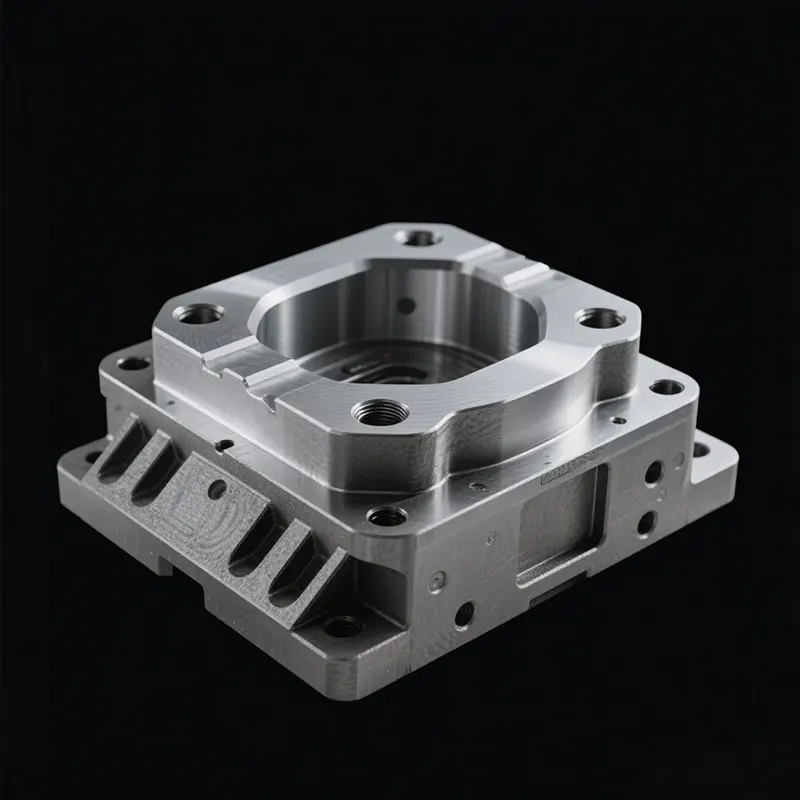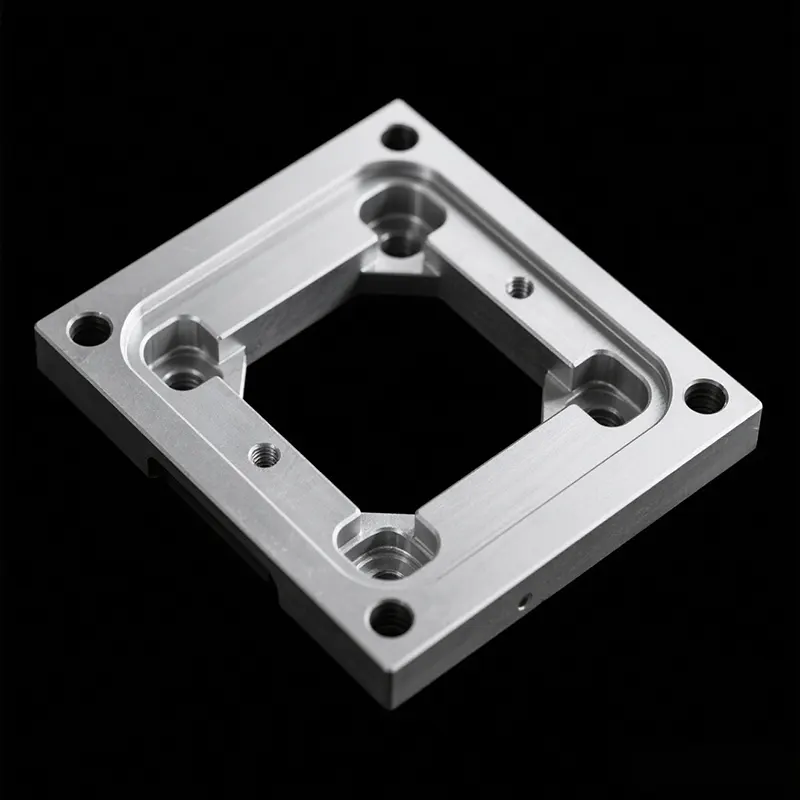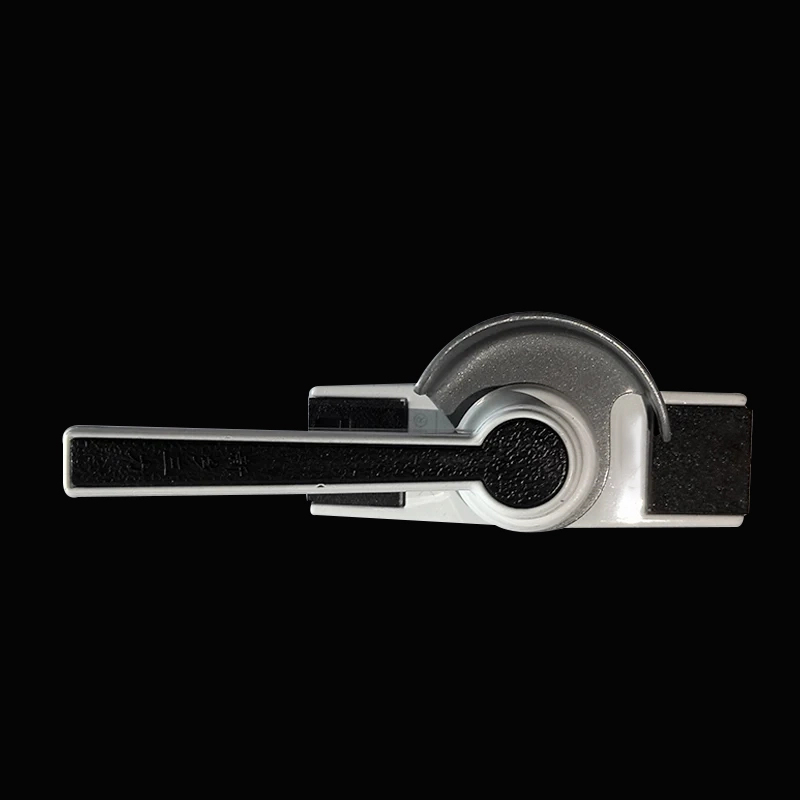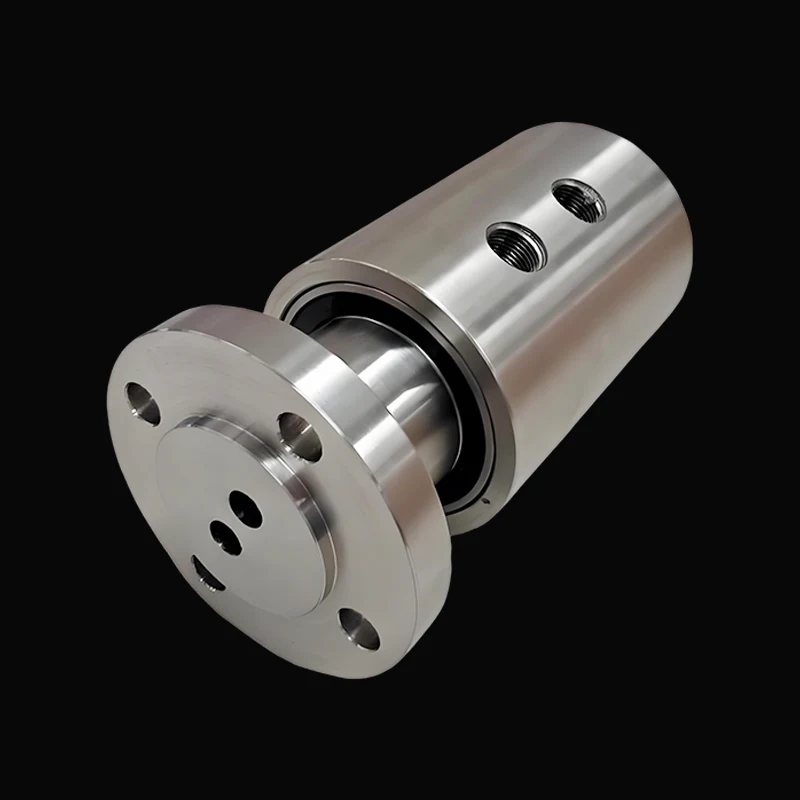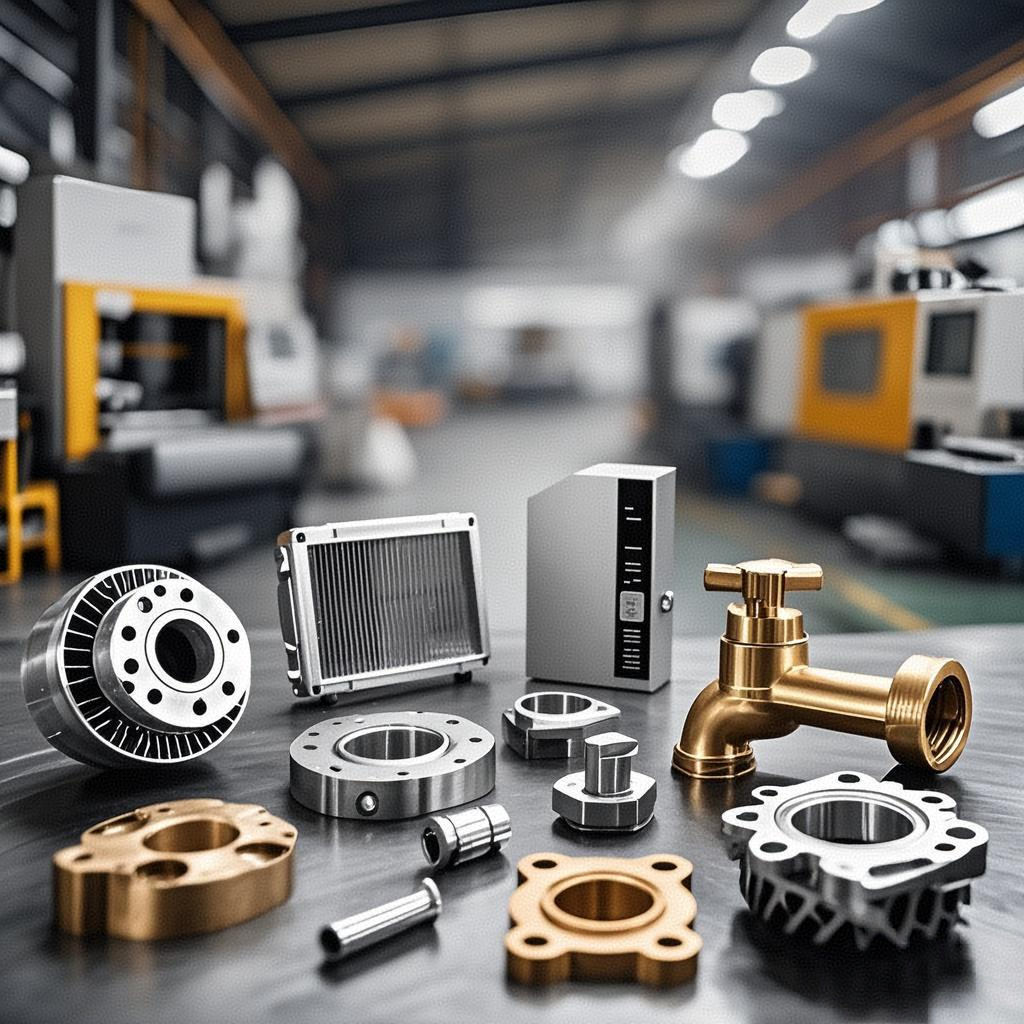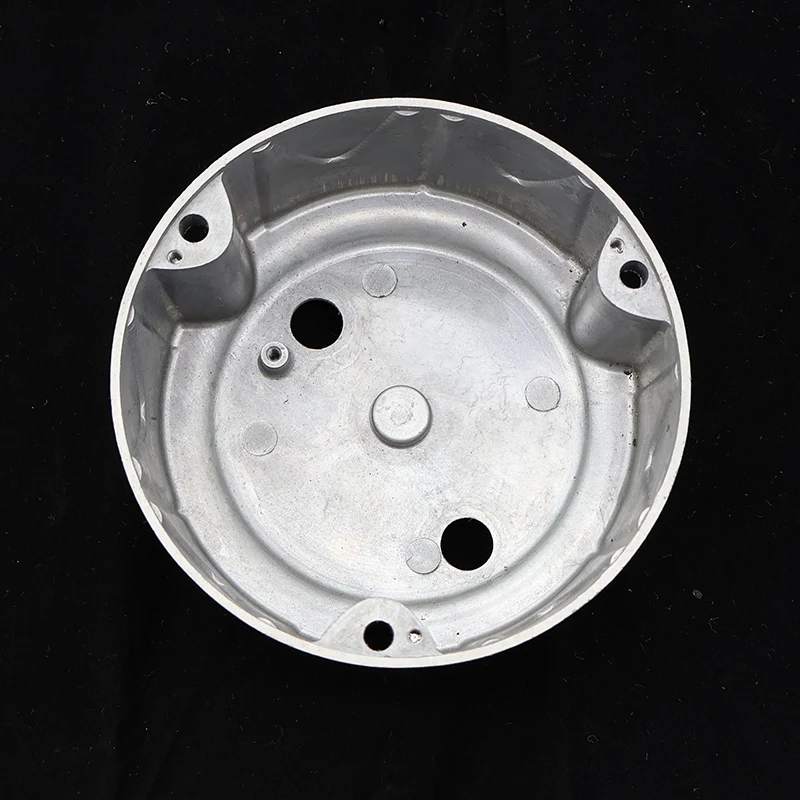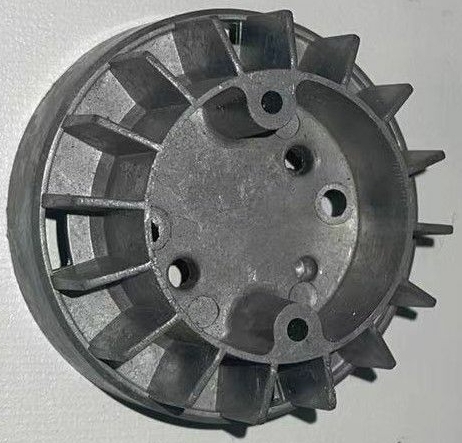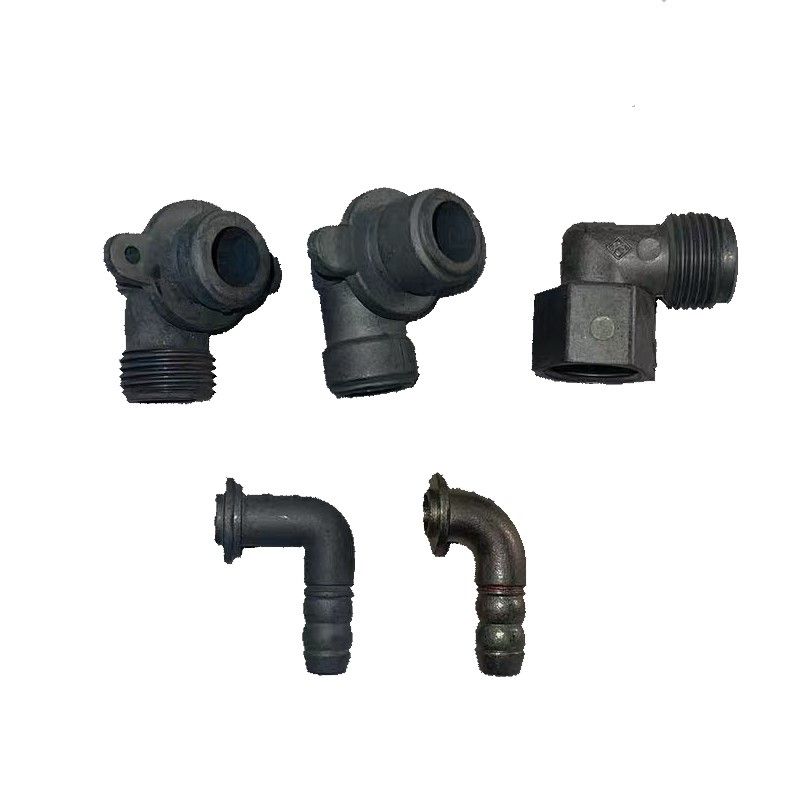

As the home furnishing market moves from rapid expansion to a renewal-driven phase, die cast components—the hidden backbone behind door locks, handles, hinges, and faucets—are undergoing a significant quality upgrade. More suppliers are recognizing that a product's competitiveness no longer ends at the factory gate but extends throughout its installation, use, and maintenance lifecycle.
In real-world applications, a considerable number of otherwise qualified die cast parts fail prematurely due to improper installation or incorrect maintenance. This not only frustrates end users but also creates unnecessary after-sales costs throughout the supply chain. The question of how to make die cast hardware truly last is becoming a central topic of discussion within the industry.
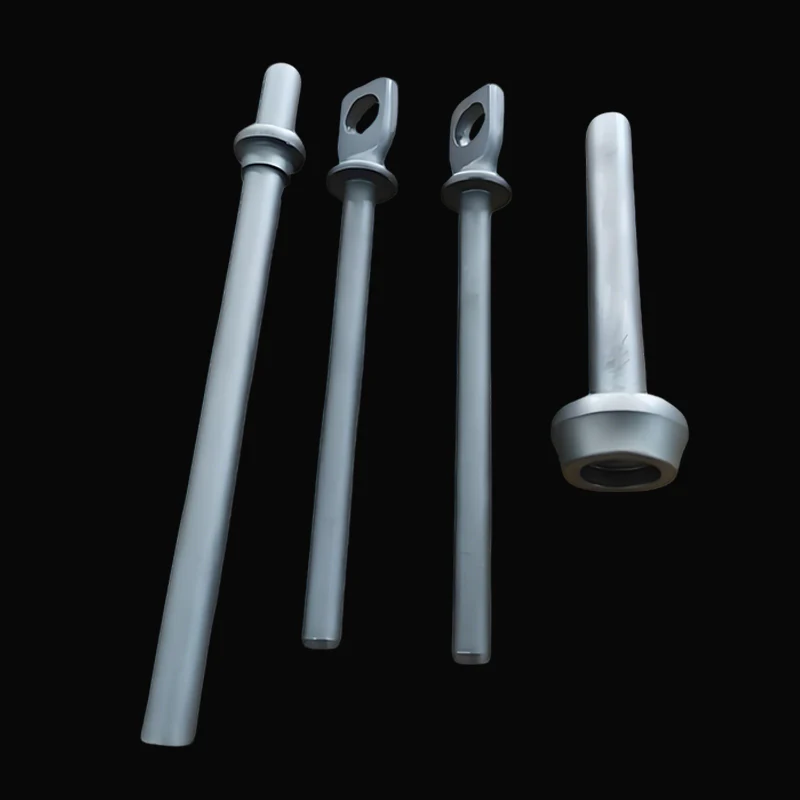
Industry observations show that among the early failures of household die cast hardware, a significant portion are not caused by material or process defects but by a mismatch between the use environment and the product's inherent characteristics.
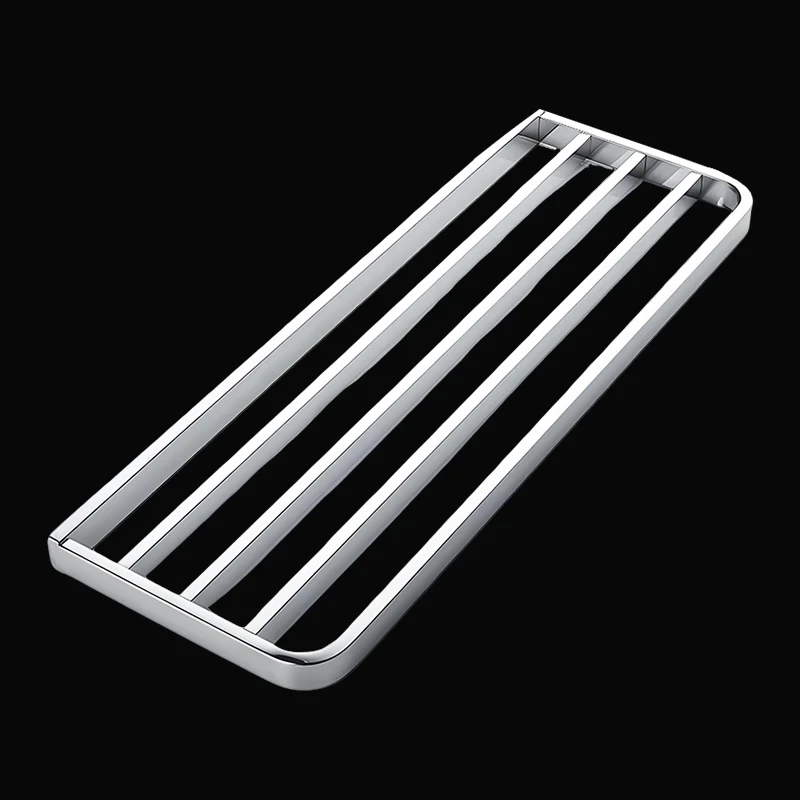
Take zinc alloy handles as an example. The microstructure of die cast zinc inevitably contains extremely tiny pores—an inherent trait of the die casting process. Under normal load, these pores do not affect performance. However, if subjected to prolonged overloading—such as hanging heavy items on a towel bar or yanking on a hollow handle—these micropores can expand into cracks, eventually leading to brittle fracture.
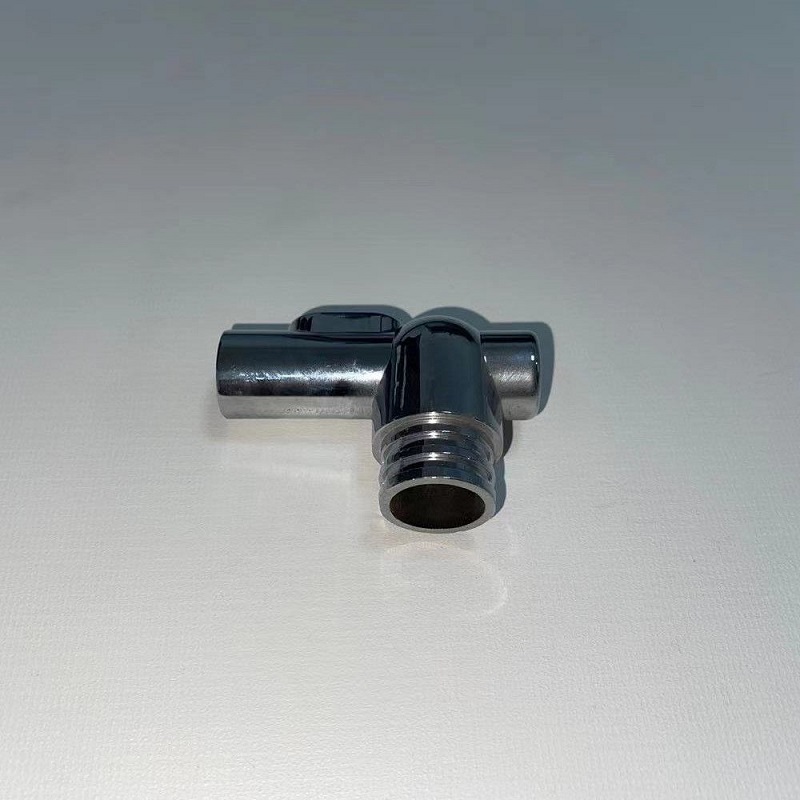
A similar situation occurs with bathroom hardware. Many consumers habitually use toilet bowl cleaners or bleach-based disinfectants to clean faucets and shower heads. These strong acids and alkalis rapidly corrode the electroplated and oxide layers on the die cast surface, causing the base metal to discolor and powder. From a materials science perspective, this is not a plating defect but a cleaning agent mismatch.
Aluminum alloy die castings are particularly sensitive to thermal shock. High-temperature components such as oven handles and stove knobs, if wiped with a cold, damp cloth while still hot, can develop micro-cracks due to thermal stress, leading to eventual fracture after repeated exposure.
Based on extensive after-sales case analysis, professional die casting suppliers have distilled four general maintenance principles that end users can follow:
Choosing the right cleaner is critical. For routine cleaning of die cast hardware, a neutral dish soap and a soft cloth are sufficient for nearly all situations. Toilet bowl cleaners, bleach-based disinfectants, and strong descaling agents should be strictly kept away from hardware surfaces, especially faucets, locks, and handles.
Lubrication requires the right product. For moving parts such as lock cylinders and hinge pivots, applying a specialized lubricant (such as sewing machine oil or WD-40) every six months effectively extends service life. It is important to note that cooking oils and standard greases attract dust and form a sticky paste that accelerates wear—these are common but incorrect choices.
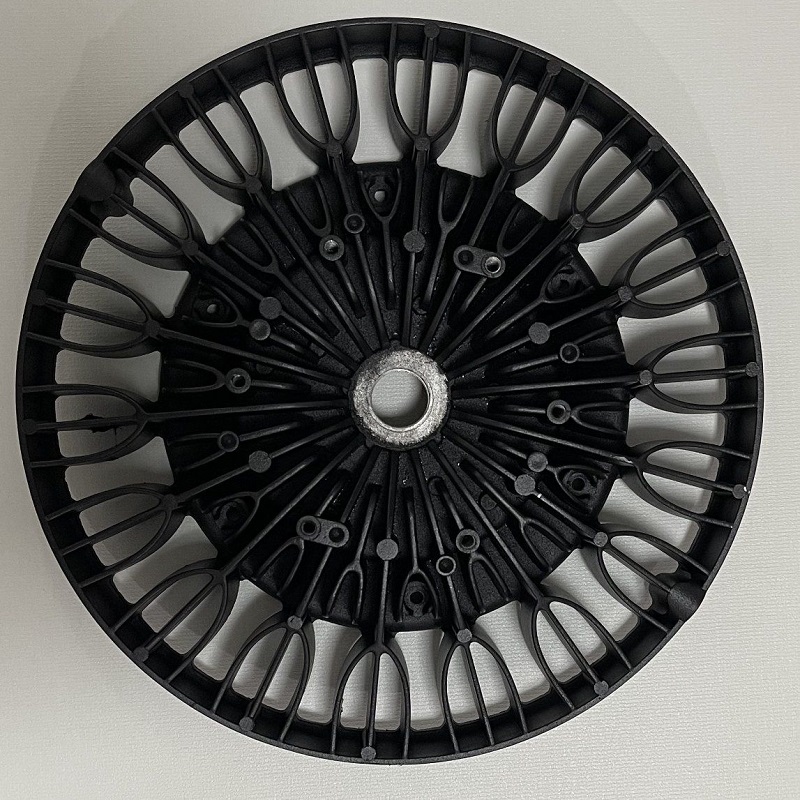
Thermal shocks need to be avoided. Die cast components on ovens, cooktops, and LED heat sink fixtures should be allowed to cool to room temperature before cleaning. Avoid direct contact with cold water or a damp cloth while the part is still hot.
Tightening should be moderate. Mounting screws on die cast parts can loosen over time due to vibration. Periodic inspection and moderate retightening are necessary. However, torque must be controlled—overtightening can crack the mounting area, which is a particular risk for thin-walled die castings.
In the kitchen, faucets, handles, and oven handles are the most frequently used die cast components. High-temperature areas should be allowed to cool before cleaning. Routine wiping with a soft cloth is sufficient; strong cleaning agents are unnecessary.
Bathroom environments are humid and often contain various cleaning chemicals. The main threats to die cast hardware in this setting are chemical corrosion and prolonged condensation. Ensuring adequate ventilation during and after use helps, and acidic cleaners should never come into direct contact with hardware surfaces.
For doors, windows, and furniture, components such as locks, hinges, and drawer pulls are mechanical moving parts. Regular lubrication and screw tightening are key to extending their life, with a six-month interval providing noticeable improvements in operating smoothness.
For appliances—including refrigerator hinges, washing machine counterweight brackets, and stand mixer bodies—care should be taken during cleaning. Die cast metal parts should never be placed in a dishwasher, as the high temperature and aggressive detergents will damage the surface protection layer.
For end users without access to professional testing equipment, several simple methods can help assess die cast quality:
Weight feel is an intuitive reference. Among products of the same size, a noticeably heavier part typically indicates solid material usage, while an excessively light part may suggest the use of recycled material in the alloy. The electroplated surface should be uniform, bright, and free of bubbles, pits, or fine lines. If a part has already failed, a dense, fine-grained fracture surface indicates quality die casting, while visible pores and porosity point to inadequate process control.
Reputable suppliers also typically mark the material grade or brand identifier directly on the casting, serving as both a quality commitment and a traceability reference.
As competition intensifies in the household hardware market, a growing number of die casting suppliers are extending their focus from pure manufacturing to service-oriented support. Providing clear usage instructions, establishing after-sales maintenance guidance systems, and optimizing product designs for specific application scenarios are becoming common practices among leading suppliers.
Behind this trend is a renewed understanding of product value. The true quality of a die casting is not only reflected in its factory inspection report but also in its actual service life when properly used. For suppliers, helping customers and end users master correct maintenance methods is both an effective way to reduce after-sales costs and a long-term strategy for building professional reputation.