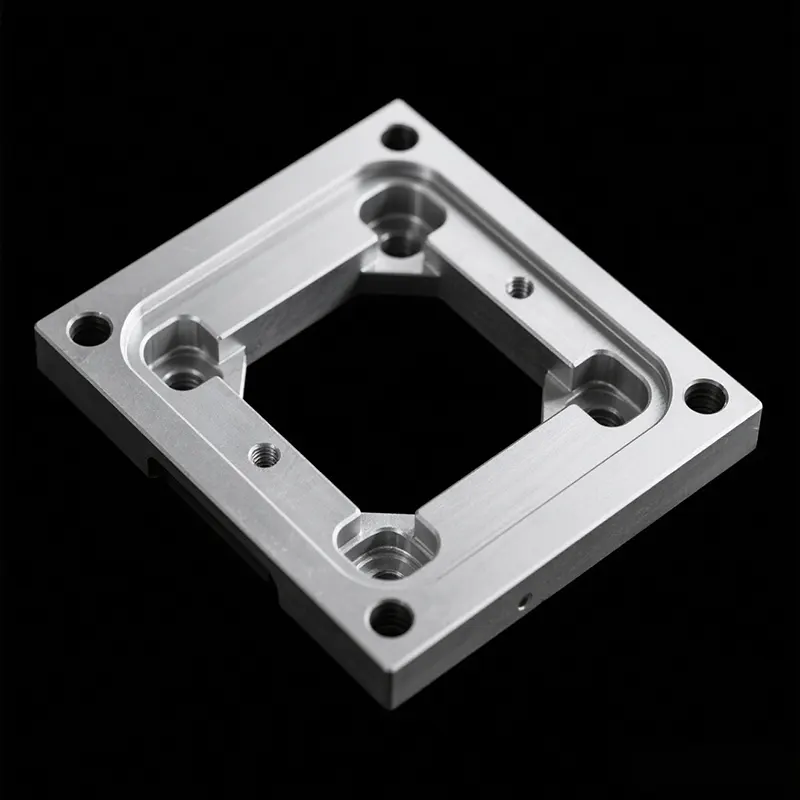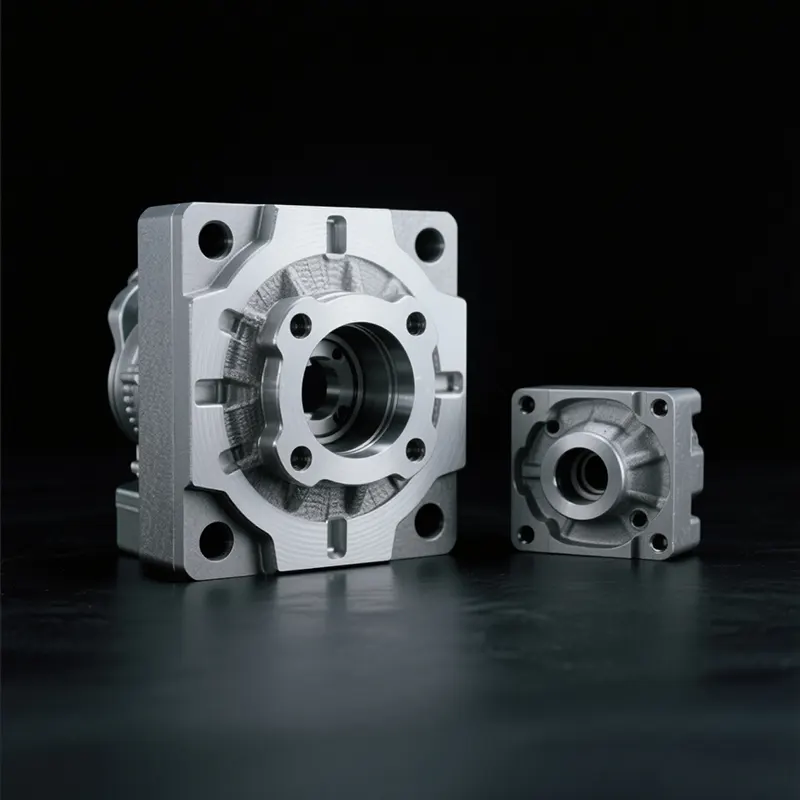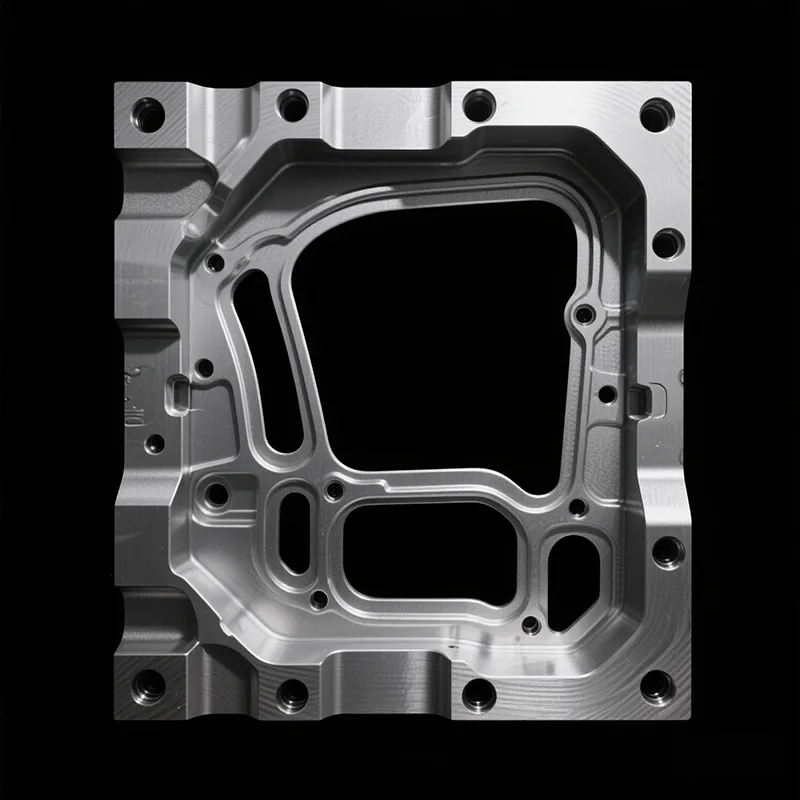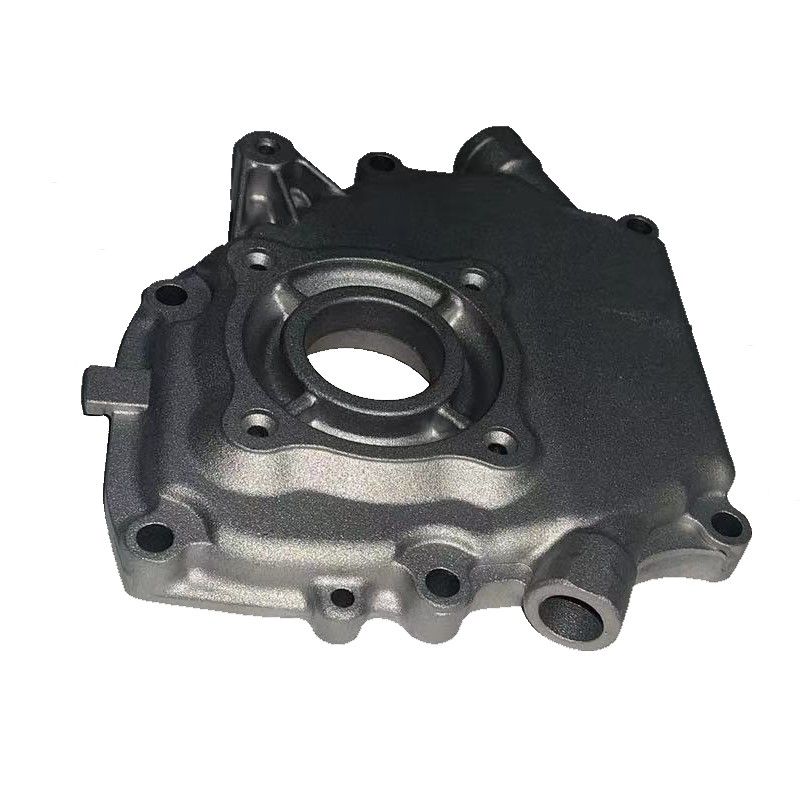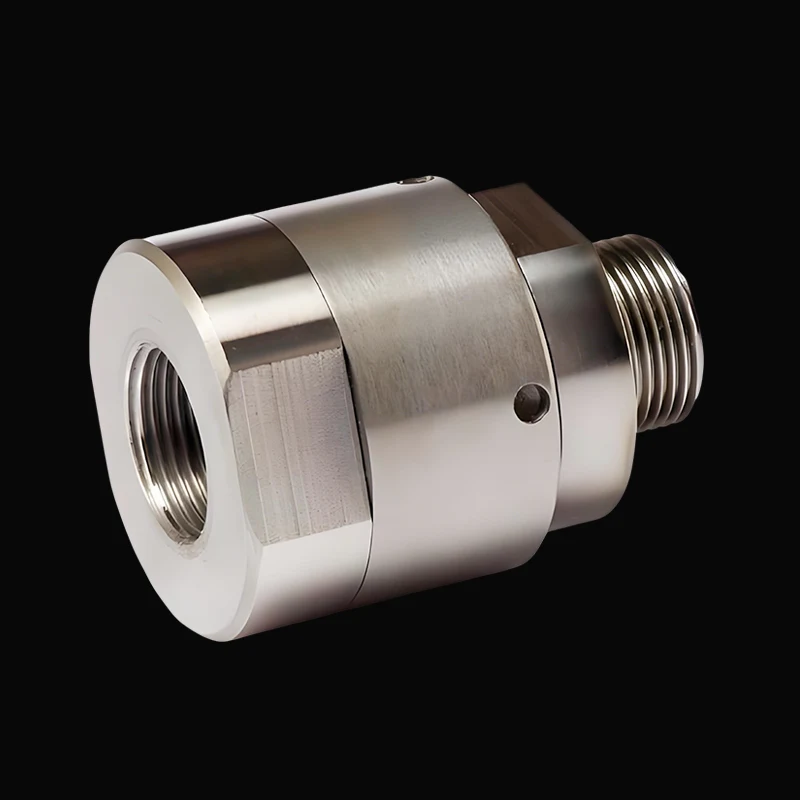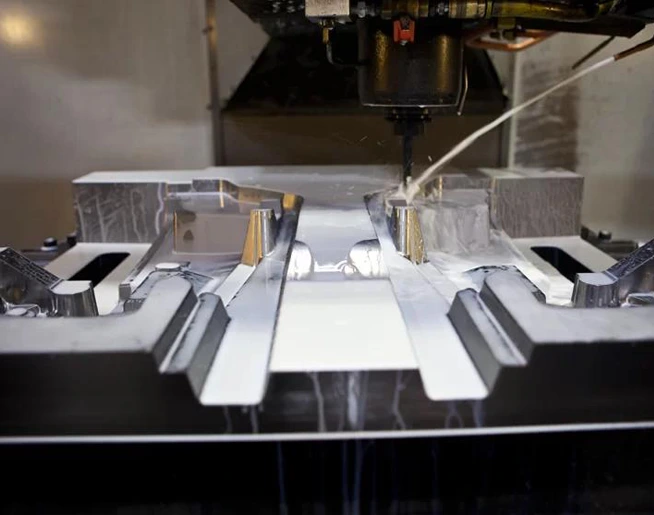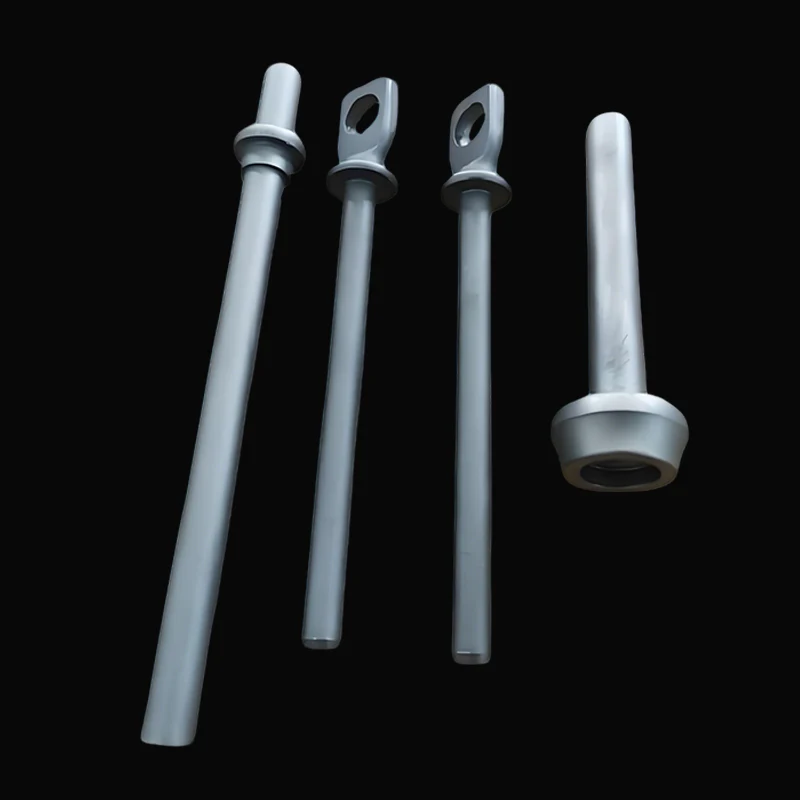

Die Castings for Faucet Hardware play an important role in determining the structural quality and service life of modern plumbing fixtures. As faucet designs become more diverse and manufacturing requirements become increasingly precise, casting technology has become an important consideration in the production of handles, housings, decorative components, and other hardware parts. Material performance, dimensional accuracy, and surface quality all influence how these components withstand daily use and environmental exposure.
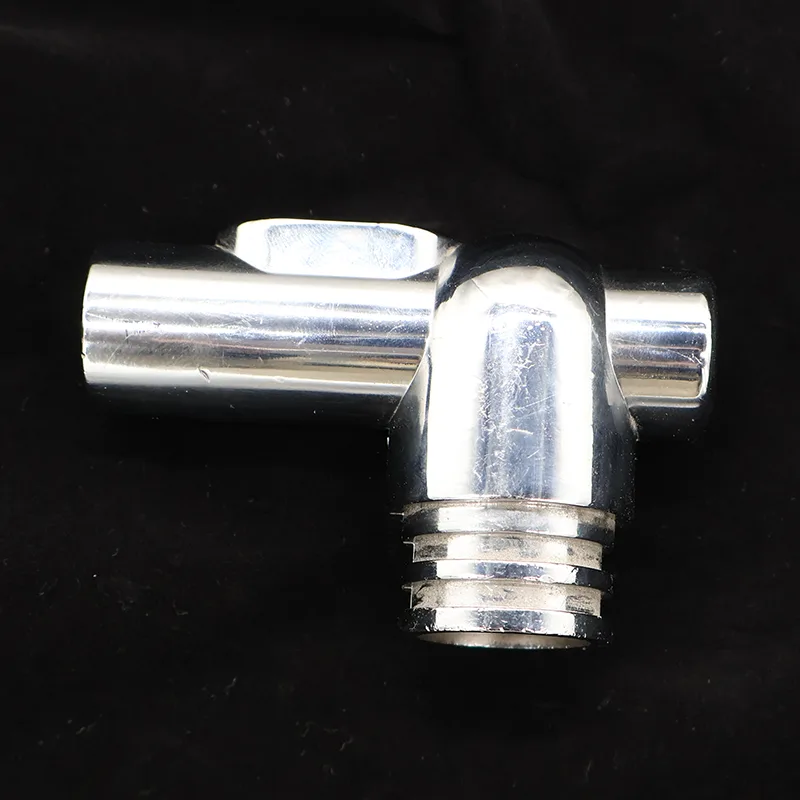
Material selection is one of the primary factors affecting the durability of faucet components. Zinc and aluminum alloys are commonly used in die-casting applications because they offer suitable combinations of castability, mechanical properties, and manufacturing efficiency. The choice depends on the component's structural requirements, intended application, and finishing process.
Different alloys provide different levels of strength, hardness, and corrosion resistance. Components exposed to repeated mechanical contact may require greater resistance to deformation, while parts installed in humid environments need appropriate protection against oxidation and surface deterioration. Selecting materials according to their operating conditions helps reduce premature wear and maintain product stability.
High-pressure die casting allows molten metal to fill carefully designed molds under controlled conditions. This process can produce complex shapes, consistent dimensions, and relatively smooth surfaces, making it suitable for faucet hardware with detailed geometries.
Dimensional consistency is particularly important when components must fit together with cartridges, valves, fasteners, and other internal structures. Poor dimensional control may lead to assembly difficulties, uneven mechanical loading, or excessive stress during operation. Die Castings for Faucet Hardware can support more consistent production when mold design, injection parameters, and cooling conditions are properly managed.
However, casting precision alone does not guarantee durability. Mold temperature, metal flow, filling speed, and solidification conditions must be controlled to minimize defects such as porosity, shrinkage, and incomplete filling. These defects can affect mechanical strength and create potential problems during subsequent machining or finishing.
Faucet hardware is frequently exposed to moisture, cleaning agents, temperature changes, and regular handling. Therefore, surface protection is an essential part of the manufacturing process. Depending on the alloy and product design, manufacturers may apply electroplating, powder coating, painting, or other finishing methods.
Proper surface treatment helps improve resistance to corrosion, staining, and everyday abrasion. It also contributes to the appearance and ease of maintenance of finished faucet components. Surface preparation is equally important because contamination, uneven coatings, or poor adhesion can reduce protective performance over time.
For water-contact components, material compliance and applicable drinking-water safety requirements must also be considered separately from external surface durability.
Consistent inspection is necessary to identify manufacturing issues before components enter final assembly. Common quality-control procedures include dimensional measurement, visual inspection, coating thickness assessment, mechanical testing, and leak-related testing where applicable.
Manufacturers may also use X-ray inspection or other non-destructive testing methods to identify internal casting defects in critical components. These procedures help evaluate structural integrity without unnecessarily damaging finished parts.
Die Castings for Faucet Hardware therefore depend on more than the casting operation itself. Effective quality management requires coordination between material preparation, mold maintenance, production monitoring, machining, and finishing. Monitoring these stages helps manufacturers identify recurring defects and improve process consistency.
Modern faucets are expected to maintain reliable performance through frequent operation and long-term exposure to challenging indoor environments. Handles must withstand repeated movement, housings must maintain dimensional stability, and connecting components must fit accurately during assembly.
These requirements make manufacturing consistency increasingly important. Improvements in mold engineering, automated production monitoring, alloy development, and surface treatment technologies are creating opportunities to improve the reliability of cast faucet components.
Ultimately, Die Castings for Faucet Hardware contribute to product durability through the combined effects of appropriate material selection, controlled manufacturing conditions, accurate dimensions, effective surface protection, and systematic inspection. Understanding these factors provides a practical foundation for evaluating the quality and long-term performance of modern faucet hardware.